

Bitpie Wallet vs Traditional Bank: Which is Better for You?
Managing money has always been a personal journey, and the rise of digital wallets has shaken up how we think about banking. I've spent over a decade in finance, watching the industry evolve from brick-and-mortar branches to smartphone apps. Bitpie Wallet represents a new era where control shifts from institutions to individuals. Understanding the real differences between this crypto wallet and traditional banking helps you make smarter financial choices.
Traditional banks offer FDIC insurance and a safety net that most people trust. Your deposits are protected, and customer service is available when problems arise. However,banking fees can eat into your savingsBitpie Wallet vs Traditional Bank: Which is Better for You?, international transfers take days, and access to your money often comes with restrictions. Banks prioritize security through regulation,but that same regulation creates friction in everyday transactions.
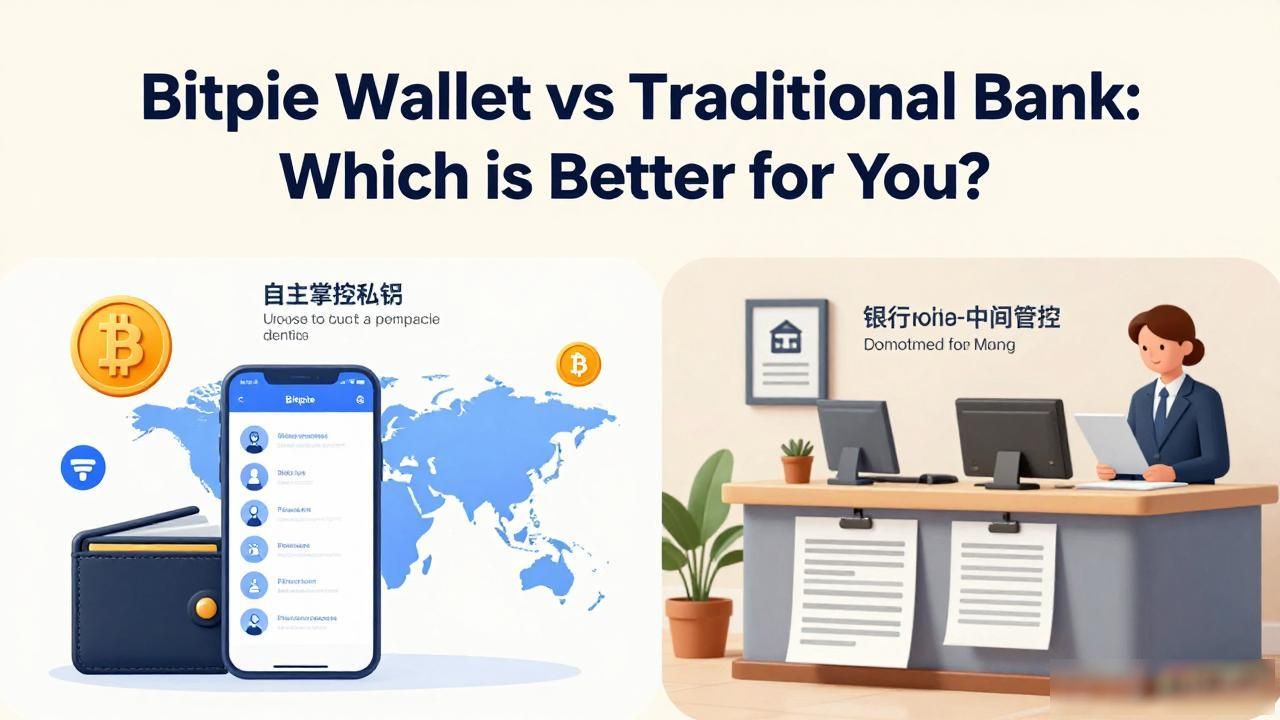
Bitpie Wallet flips the script entirely. You hold the private keys,meaning no middleman controls your funds. Transactions happen quicklyBitpie Wallet vs. Traditional Banking: A Comparative Look, fees are minimal, and you can operate across borders without asking permission. The trade-off is that you bear full responsibility for security. If you lose your keys or fall for a scam, there is no customer service line to call. Self-custody demands discipline but rewards you with complete financial autonomy.
For everyday spending and emergency savings, traditional banking remains practical. The peace of mind from insured deposits and familiar interfaces suits many people. But for those seeking lower fees, faster cross-border transfers, and exposure to cryptocurrency growth, Bitpie Wallet offers compelling advantages. The best approach often combines both, using banks for stability and wallets for opportunity.
